
The Association for the Advancement of Baltic Studies hosted an online roundtable discussion on “Demographic Development in the Baltic States: Identity, Integration, and Inequality” on Tuesday, December 2, 2025, from 12:00-1:00 pm ET.
The Baltic states of Estonia, Latvia, and Lithuania each experienced substantial population declines since the fall of the Soviet Union. While the welcoming of Ukrainian refugees and return migration suggest that it might be possible to reverse these trends, such reversal is far from certain. What is the impact of this long-term decline and its recent reversal? How do Baltic societies cope with both the loss and the gain? What effects do these changes have on the civil life and politics of the three countries?
These and other questions were tackled by Dace Dzenovska (University of Oxford), Allan Puur (Tallinn University), and Aušra Maslauskaitė (Vytautas Magnus University). The webinar was moderated by Anna Žabicka (University of Latvia/Rīga Stradiņš University) and welcome remarks were delivered by AABS President Jörg Hackmann (University of Szczecin).
The webinar was recorded and is available to view on the AABS YouTube channel.
Panelists:

Dace Dzenovska
University of Oxford
Dace Dzenovska is Associate Professor in the Anthropology of Migration at the University of Oxford. Trained as a social and cultural anthropologist at the University of California in Berkeley, she works mostly with themes in political anthropology and anthropology of postsocialism: space, place, and power, sovereignty, empire, capitalism, migration, liberalism and nationalism, and the intersection of postsocialist and postcolonial/decolonial perspectives. Dzenovska has conducted ethnographic fieldwork in Latvia and the United Kingdom, but she engages with work on Russia and Eastern Europe more broadly.
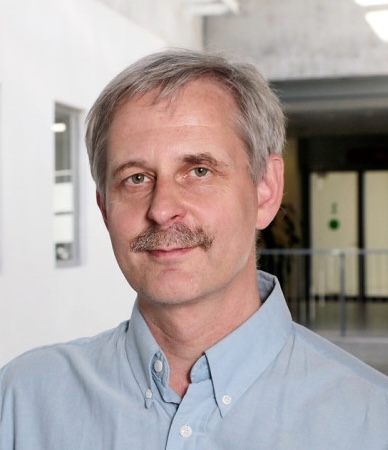
Allan Puur
Tallinn University
Allan Puur is Professor of Demography in the School of Governance, Law and Society at Tallinn University. His research interests and publications cover the areas of population studies and migration. Puur’s most recent articles address topics such as fertility trends, the role of social protection programs in caring for the elderly, and generational studies, all in Estonia. He received the Estonian national science award for studies of the demographic development of Estonia in 2019.
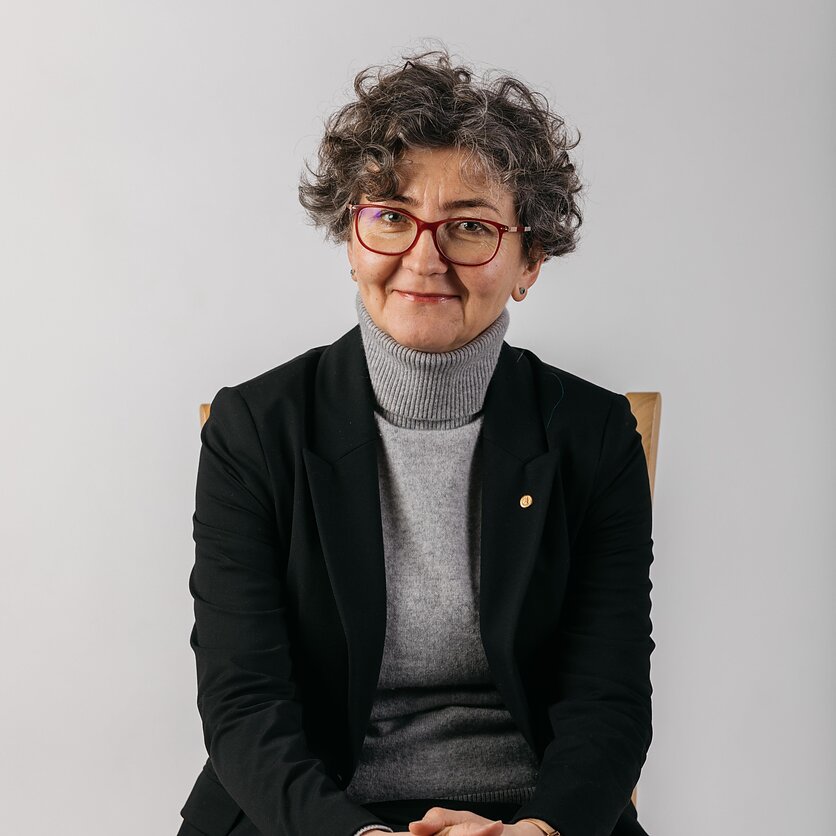
Aušra Maslauskaitė
Vytautas Magnus University
Aušra Maslauskaitė is Professor of Sociology at Vytautas Magnus University, Lithuania, and Senior Researcher at the Lithuanian Social Research Center. Her research interests are family demography, gender and family, family policies, families and inequalities, families and post-communist transformation in Central and Eastern Europe. Maslauskaitė’s recent publications include studies of longitudinal change in Lithuanian demographic structures, the intersection of religious identity and family practices, and a comparative study of gendered parenting dynamics in Lithuania and Belarus.
Moderator:

Anna Žabicka
University of Latvia/Rīga Stradiņš University
Anna Žabicka is a researcher at the University of Latvia and a researcher in the Faculty of Social Sciences at Rīga Stradiņš University. Her research focuses on how aging, which is publicly and politically seen as national endangerment of the state and Latvianness, plays out in a small rural nursing home for older adults. Žabicka is a 2024 AABS Dissertation Grant recipient.
Opening Remarks:
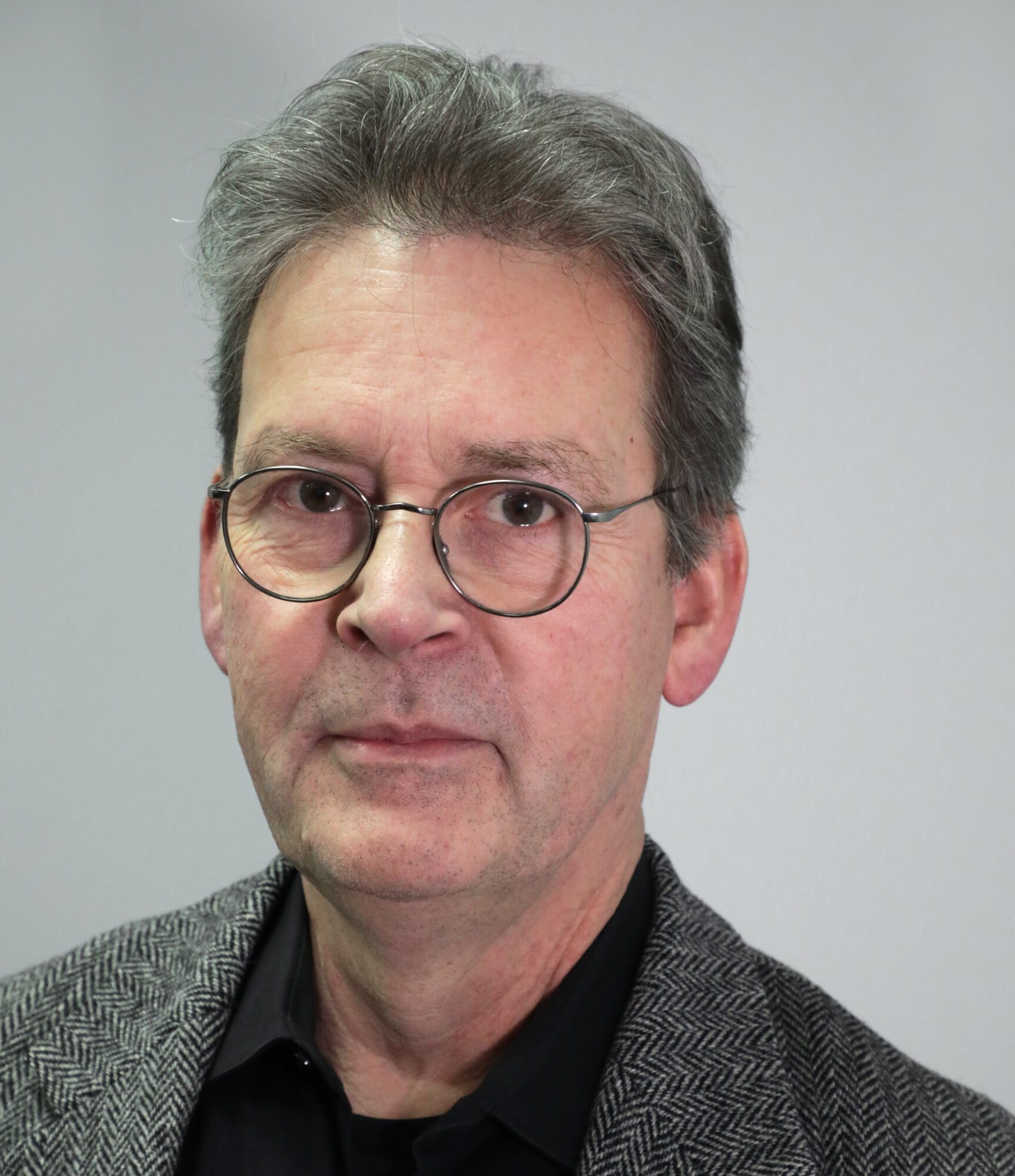
Jörg Hackmann
University of Szczecin
Jörg Hackmann (PhD, Free University Berlin) is Alfred Döblin Professor at the Department of History, University of Szczecin, Poland, and since 2021 Director of the International Center for Interdisciplinary Studies at the University of Szczecin. He is also associated with the University of Greifswald, Germany, and serves as Vice-President of the Johann Gottfried Herder Research Council (Germany). Jörg Hackmann holds a PhD from the Free University Berlin and received his habilitation at Greifswald University. He has been a visiting scholar at many universities in the Baltic sea region as well as in Chicago. Publications focus on the history of North-Eastern and East Central Europe, in particular on historiography, memory cultures, civil society and regionalisms with a focus on transnational entanglements. Most recent publications include Geselligkeit in Nordosteuropa (Sociability in North-Eastern Europe), Harrassowitz 2020. Current research interests include the role of history in Baltic Sea region building, a biography of Werner Hasselblatt, and the Jewish topography of (German) Szczecin.
He served as President-Elect of AABS from 2022–2024 and currently serves as President of AABS.